Seagrass Restoration
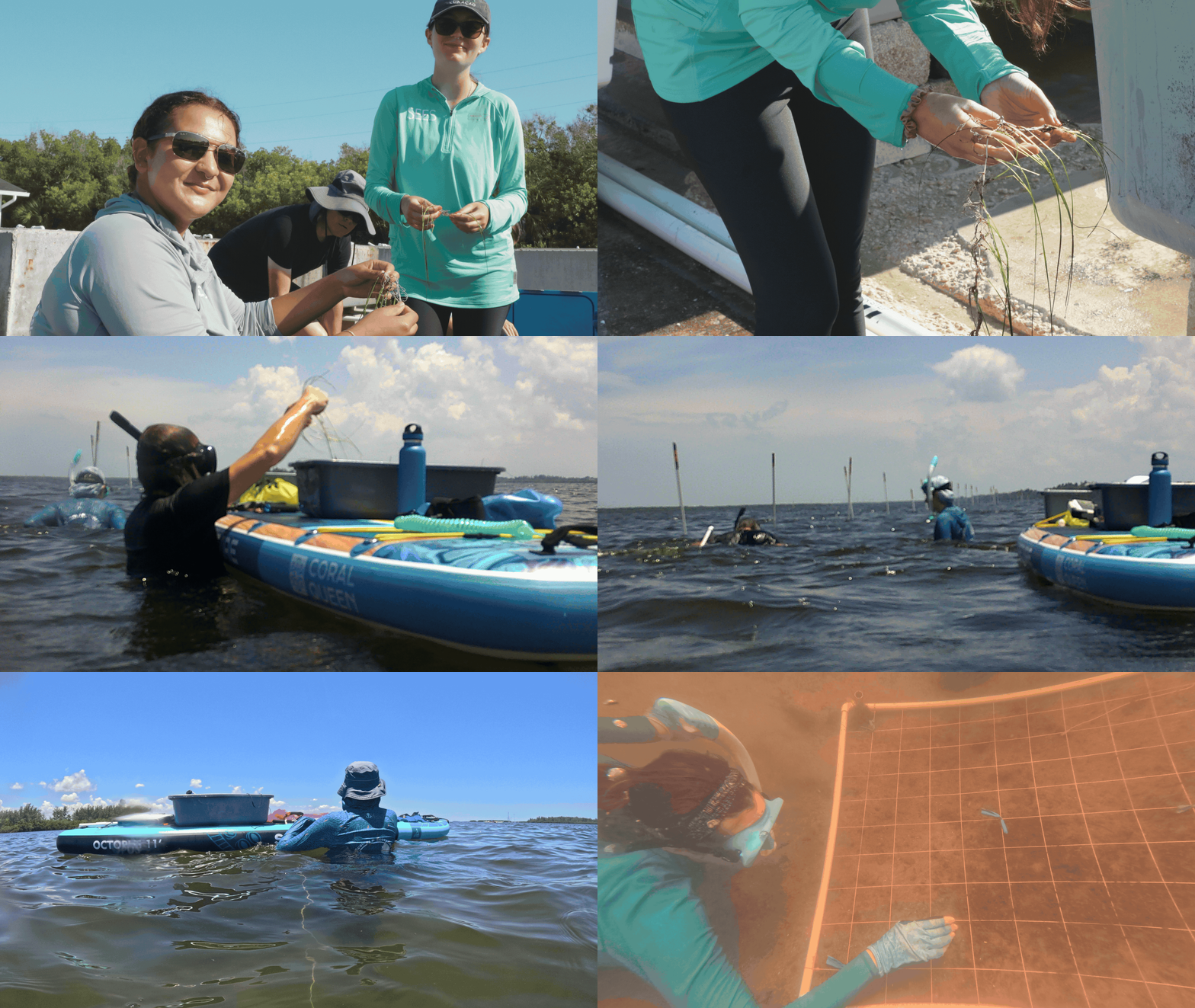
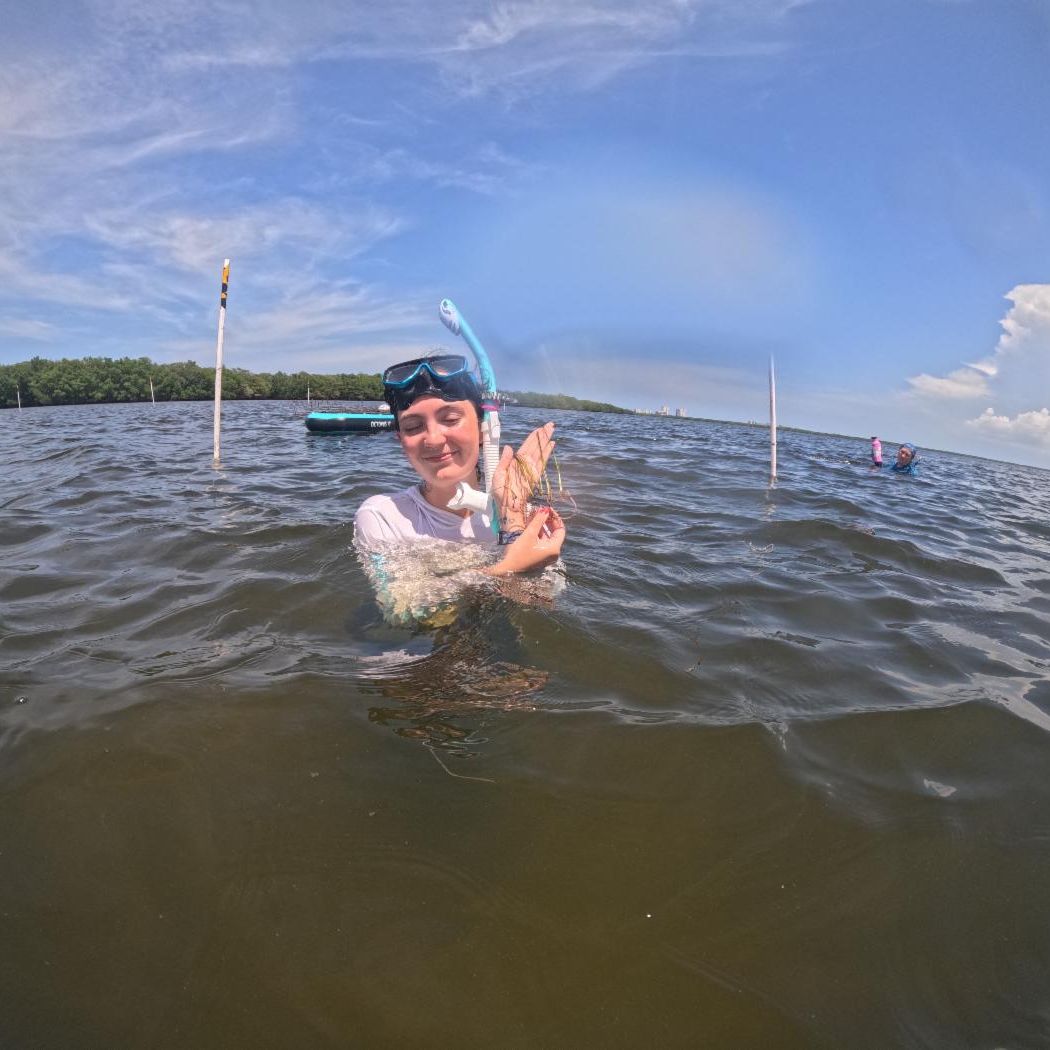
In June, Florida Atlantic University's Harbor Branch Oceanographic Institute completed its largest seagrass restoration planting to date in the Indian River Lagoon. Over two days, the team harvested and planted five transects of shoal grass (Halodule wrightii) in roughly five feet of water at the deeper edge of an existing seagrass meadow. The seagrass had been grown in the Harbor Branch Seagrass Nursery in water pumped directly from the lagoon. By planting in a deeper area, researchers from FAU’s Seagrass Ecology and Ecosystem Science Laboratory are testing restoration strategies where seagrass had not yet been able to recover. The site will be monitored weekly for the next several months to perform maintenance and collect data. |
|
|
|
Foundation Gift Funds Mangrove Restoration
FAU Harbor Branch received a $250,000 gift from the Betty Wold Johnson Foundation to develop a mangrove restoration project at Harbor Branch -- part of a larger expansion of the Harbor Branch Seagrass Nursery. Adding mangroves to the initiative will help with shoreline restoration, as they provide a barrier against storm impacts and coastal erosion.
Read more. |
|
|
|
FAU Shark Research Featured on 'Changing Seas'
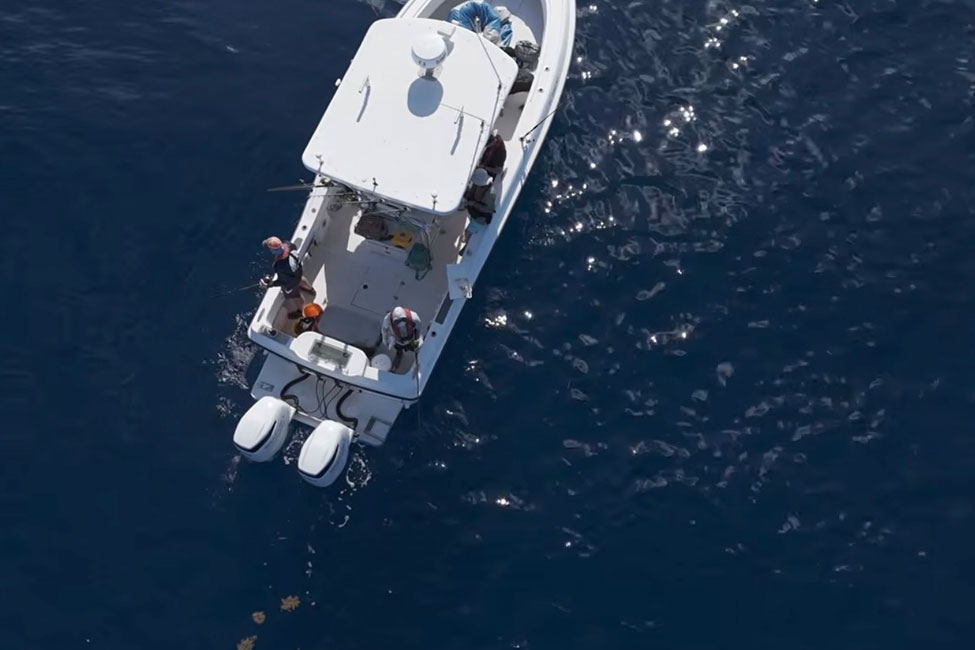
Florida Atlantic research teams led by Matt Ajemian, Ph.D., associate research professor, and Steve Kajiura, Ph.D., professor, were featured on a recent episode of the PBS series "Changing Seas". The episode, "Getting Sharked: Search for Solutions" follows scientists as they test repellents to stop sharks from taking fish from anglers' lines.
Watch the episode. |
|
|
|
Counting Crushes
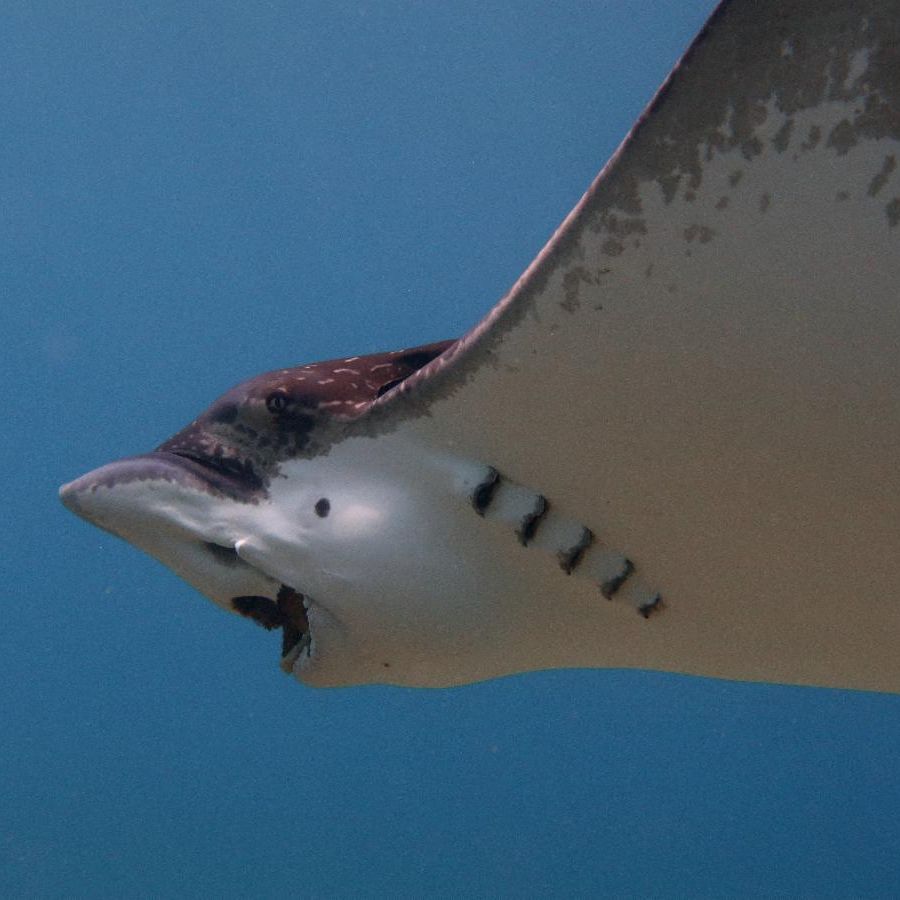
A recent publication led by Matt Ajemian, Ph.D., was featured by the National Science Foundation (NSF). The NSF-supported study developed an AI-tool to understand predator-prey interactions between whitespotted eagle rays and mollusks.
Read more. |
|
|
|
Conservation Crusader
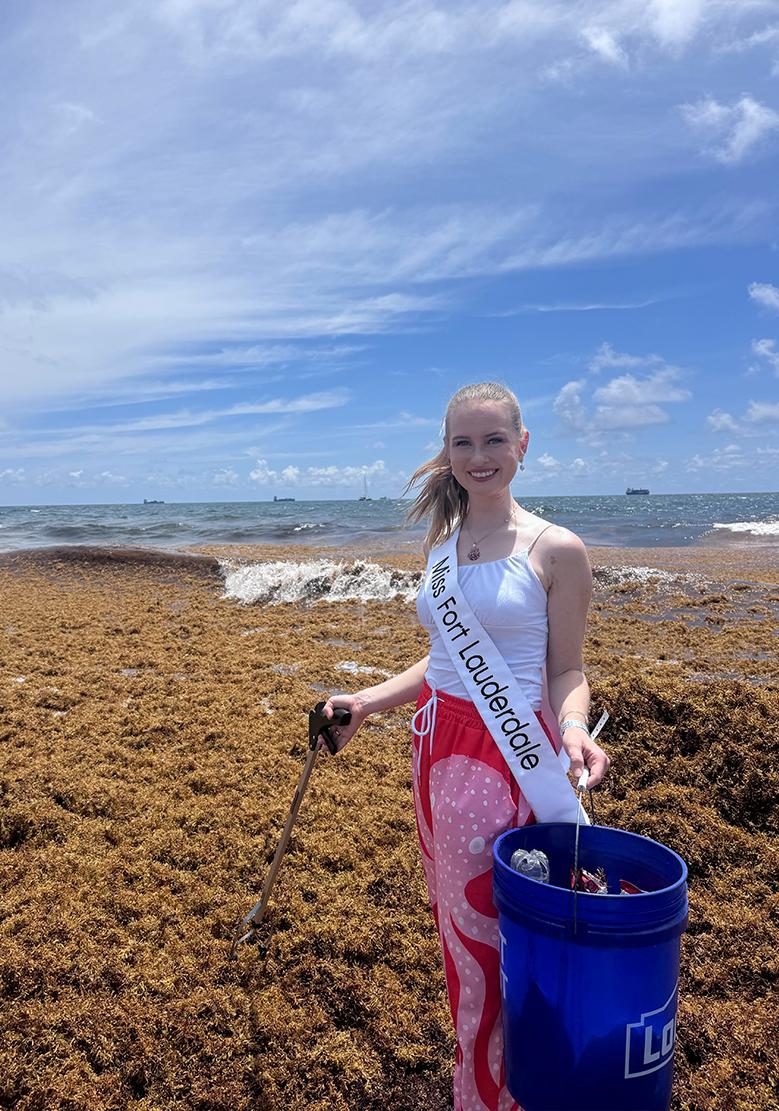
Miss Fort Lauderdale and Florida Atlantic student Paige Aldred is using her crown as a catalyst for coastal conservation. Aldred is redefining the traditional pageant role by leveraging her high-profile platform to champion critical environmental causes. As she wraps up her master’s degree in biology with the Schmidt College of Science at FAU Harbor Branch, she is seamlessly merging elite marine science with statewide advocacy, proving that the fight for Florida’s water quality requires both rigorous science and a powerful public voice.
Read more. |
|
Fin of the Month: STKR
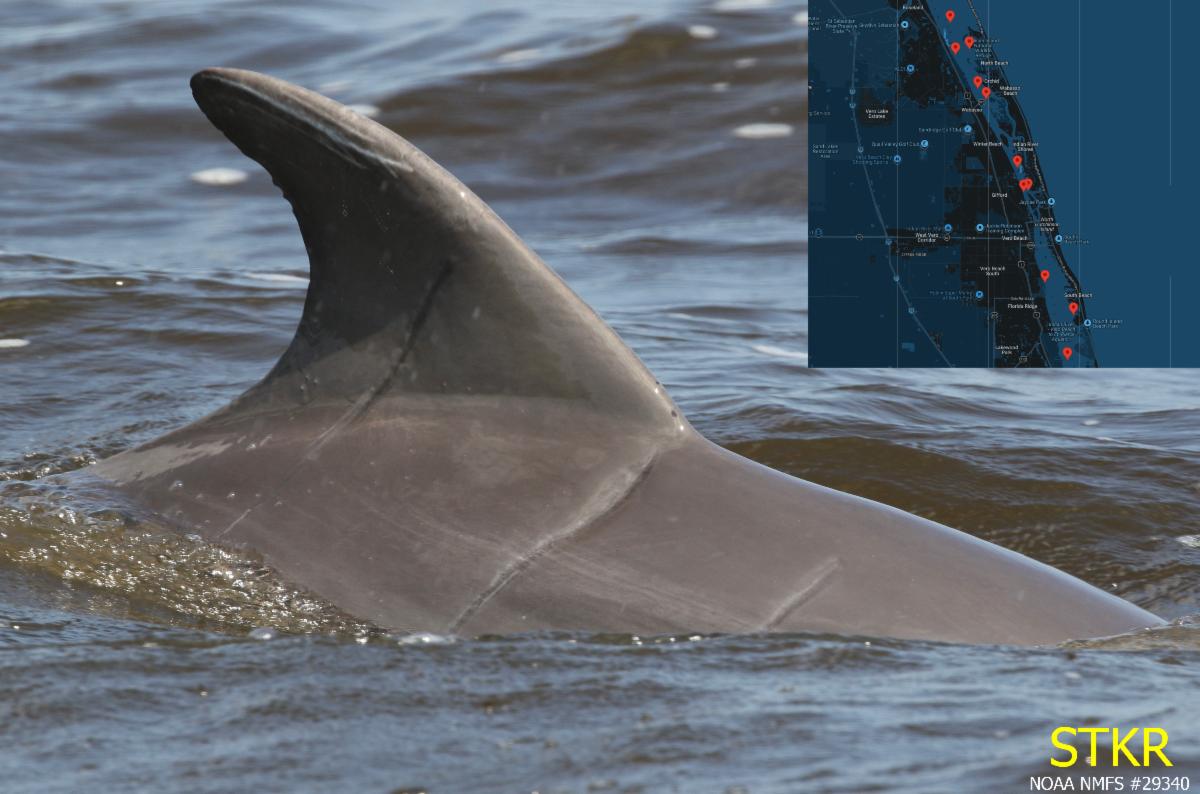
Meet Striker (STKR), a bottlenose dolphin of the Indian River Lagoon (IRL) frequently sighted by the FAU Harbor Branch Marine Mammal Stranding and Population Assessment (MMSPA) team between Sebastian Inlet and Round Island Beach Park in Vero Beach.
Bottlenose dolphins in the IRL can acquire scars from many sources — predators, interactions with other dolphins, and human activity such as entanglement in fishing gear and vessel strikes. Striker was hit by a boat sometime before the MMPSA team began to track him, but his extensive scars have fully healed and are now considered permanent.
Bottlenose dolphins are remarkably resilient, with an impressive ability to heal from severe injuries – and we can learn a lot about that process through photo-identification. By photographing the same individuals over months and years, the MMSPA team can monitor how wounds heal, watch for signs of infection and track overall body condition. Consistent photo-ID surveys contribute to the understanding of scar frequency and healing rates, while building an overall picture of the different challenges dolphins face in the IRL.
While some scars are naturally occurring, boat strikes are preventable, and some dolphins aren’t as lucky as STKR was to survive the incident. By staying vigilant on the water, giving wildlife space, and obeying speed restrictions, we can all help keep our beloved locals safe!
If you see a marine mammal while out on the water, remember to stay 50 yards away. When fishing, avoid casting lines towards animals and refrain from feeding them. Not only is it illegal, but the more comfortable dolphins become around humans, boats and fishing activity, the higher their risk of injury.
If you see a marine mammal in distress, call the FWC hotline (888) 404-3922.
All work conducted under NOAA NMFS permit #29340. |
|
Annual Harbor Branch Summer Intern Symposium
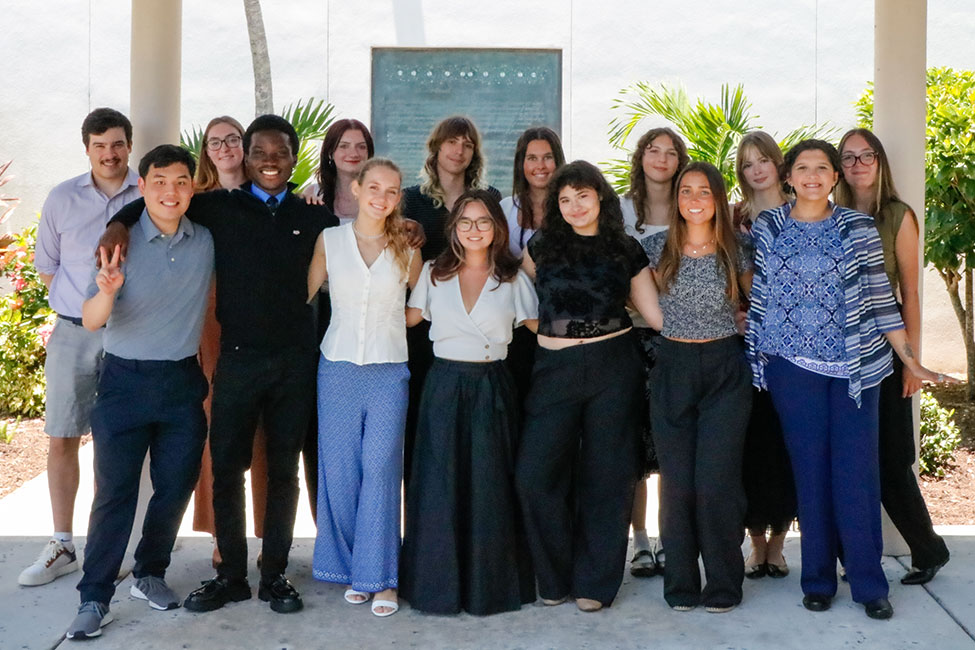
FAU Harbor Branch marked 52 years of its summer internship program, which culminated on July 23 with the annual Harbor Branch Summer Intern Symposium. Seventeen students from universities across the United States spent 10 weeks making important contributions to marine science, engineering and biotechnology research underway at the institute. During the symposium, students gave 15-minute oral presentations on their summer projects and answered questions from the audience. Each student shared successes, challenges, initial findings and next steps for further studies.
Read more. |
|
Olivia Smith
Mentor: Rachel Brewton, Ph.D., Seagrass Ecology and Ecosystem Science Laboratory
Smith's project focused on studying how nutrients and temperature effect the germination of seagrass seeds. She tested this using Ruppia maritima seagrass seeds placed in tanks in the lab. The seeds were in different nutrient concentrations made from Osmocote fertilizer dilutions. She measured time to germination and germination success rate. This project will help further knowledge to refine seagrass restoration techniques. Smith also assisted her host lab with a seagrass outplanting and seagrass surveys in the Indian River Lagoon. |
|
Jacqueline Venuto
Mentor: Wayne Slade, Ph.D.
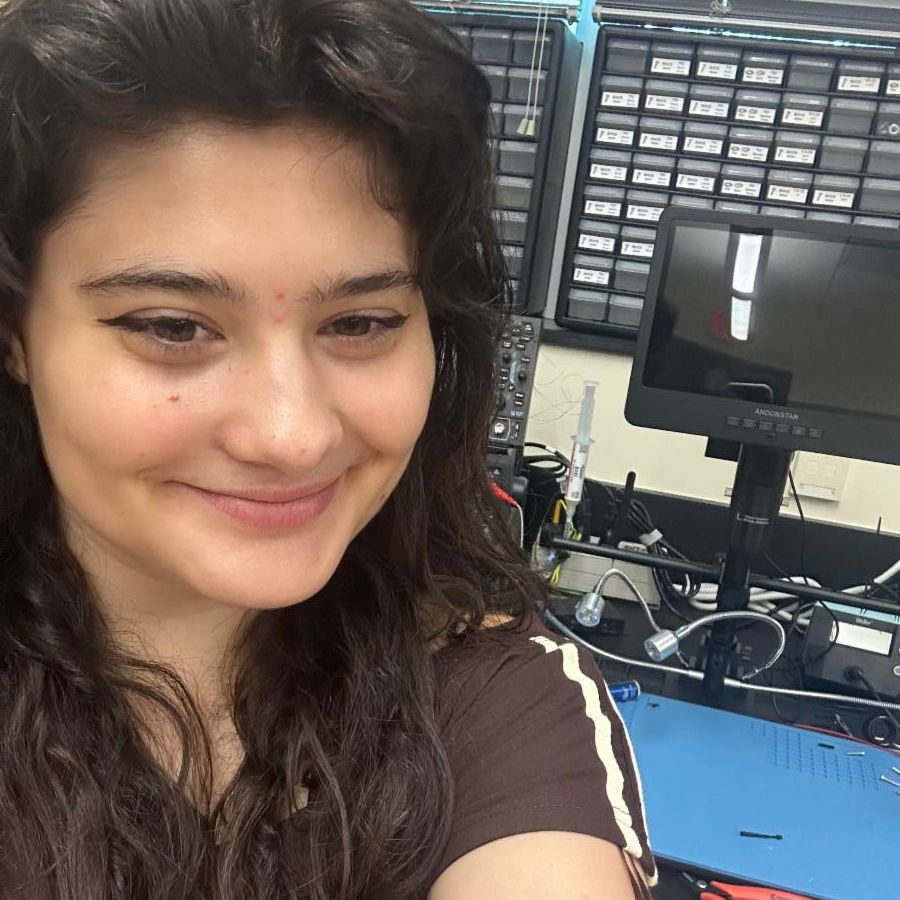
Venuto spent the summer studying ocean optics and engineering. Her project focused on measuring irradiance (how much light can penetrate water) using do-it-yourself sensor modules. She built three of the sensors and tested them over several weeks in various environments. After the land-based testing phase, she deployed the sensors into the FAU Harbor Branch channel to measure and calculate how light dissipated with depth in water. She compared the DIY sensor's measurements to those of a commercial sensor to determine if they could be a viable low-cost solution for future studies. |
|
Ship to Shore: R/V Falkor (too)
Megan Conkling, Ph.D., research scientist, and Shirley Pomponi, Ph.D., professor emeritus, spent a month aboard Schmidt Ocean Institute's R/V Falkor (too) as part of an international team exploring the deep sea surrounding Trinidad and Tobago. During a special "Ship to Shore" event, the researchers joined an audience at FAU Harbor Branch's Johnson Education Center via livestream. During the experience, the audience toured the ship, learned about the mission's research and discoveries, and participated in a live Q&A session. |
|
|
ECOS Graduate Student Conference Travel Award
Award Amount: Up to $1,000
Deadlines: Rolling basis (apply at least 45 days before your conference)
Learn more and apply.
This award helps cover the costs of presenting at scientific conferences — registration, airfare, lodging and more. M.S. students are eligible for one award; Ph.D. students may apply for up to two over the course of their degree.
ECOS Publication Grant
Award Amount: Up to $1,000
Deadline: Rolling basis
Learn more and apply.
This grant offsets open-access article processing charges for peer-reviewed manuscripts where the FAU student is the first or corresponding author and list ECOS as part of the student's author affiliation. Current graduate students, postdoctoral researchers and recent graduates (within two years of completing their degree) are all eligible. Notably, if two ECOS-affiliated authors both qualify as first or senior authors on the same publication, each may receive an award — up to $2,000 combined per publication.
Full program guidelines and application requirements are posted on the ECOS website at fau.edu/ecos under the Research Funding Opportunities tab. To apply, send applications to ecos@fau.edu.
WLW-ECOS Internship Program
Deadline: Aug. 28, 2026
FAU’s School of Environmental, Coastal, and Ocean Sustainability (ECOS) is excited to invite full-time (12 credits), degree-seeking juniors and seniors from the College of Science to apply for an internship with one of our 24 partner organizations. Read more about this opportunity by visiting: https://www.fau.edu/ecos/internships/. |
|
St. Lucie Summer Passport Program
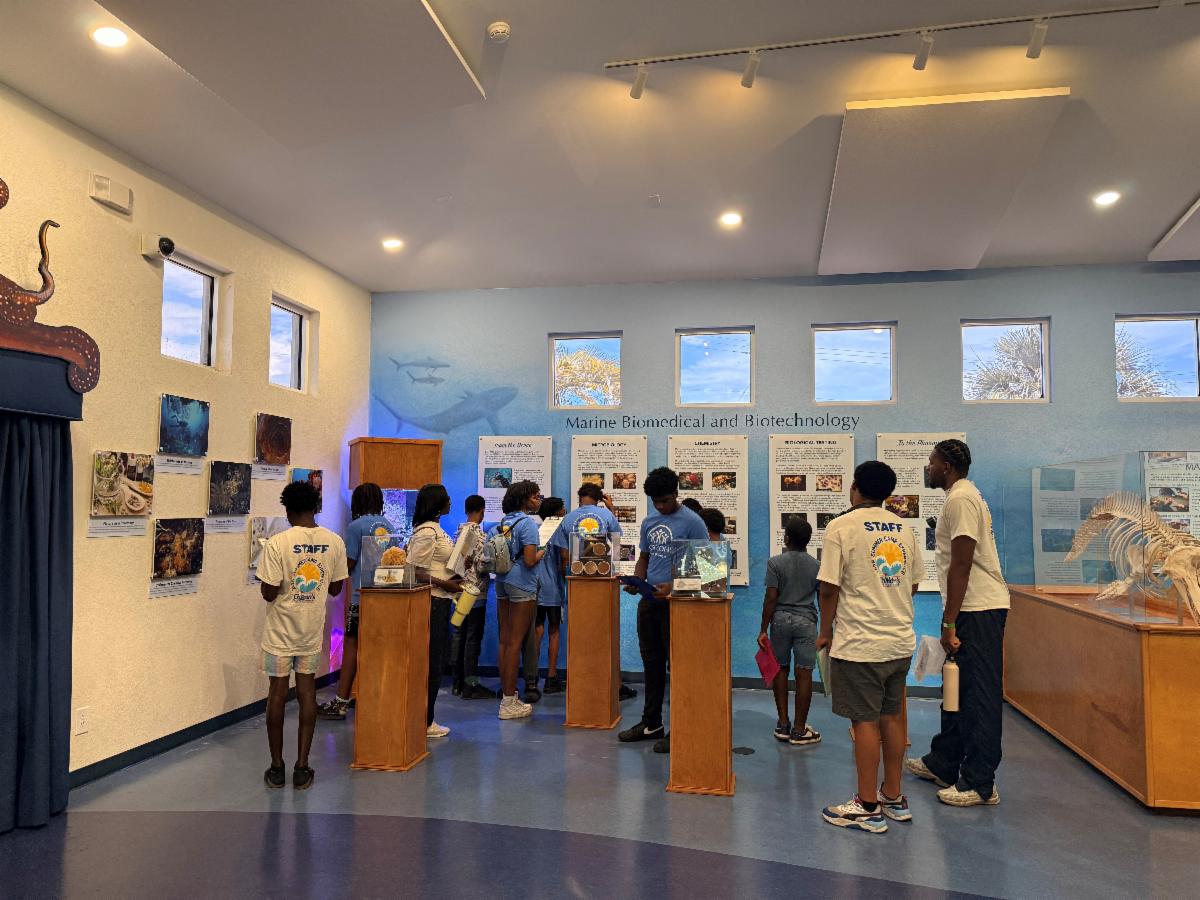
FAU Harbor Branch has welcomed 170 campers and chaperones this summer through the St. Lucie County Summer Passport Program. Groups from the YMCA of the Treasure Coast, Malachi Academy, Arc of the Treasure Coast, Zoe Live Creative Arts Academy, Future Generations and Exceptional Academy enjoyed hands-on marine science experiences led by the Education and Outreach team. Each group either explored the Ocean Discover Visitors Center or put their investigative skills to the test through the Marine Mammal Mystery activity where they worked alongside a marine science educator to solve a real-world conservation challenge.
The Summer Passport Program is a partnership between the Children's Services Council of St. Lucie County and the St. Lucie County Chamber of Commerce to connect summer camps with local organizations to provide unique educational experiences they may not otherwise have. |
|
Marine Energy Survey
Did you know the Gulf Stream - one of the world's strongest currents - can flow up to 5.6 miles per hour and move nearly 4 billion cubic feet of water every second from Florida to Europe? At FAU's Southeast National Marine Renewable Energy Center, researchers are harnessing this powerful force of nature into energy solutions for Florida's coastal communities.
Help shape the future of marine energy in Florida by taking a quick, 10-question survey. |
|
|
Subscribe to Ocean Currents
Florida Atlantic Harbor Branch Oceanographic Institute | Website |
|
|
|