What's in a 'Crunch'?
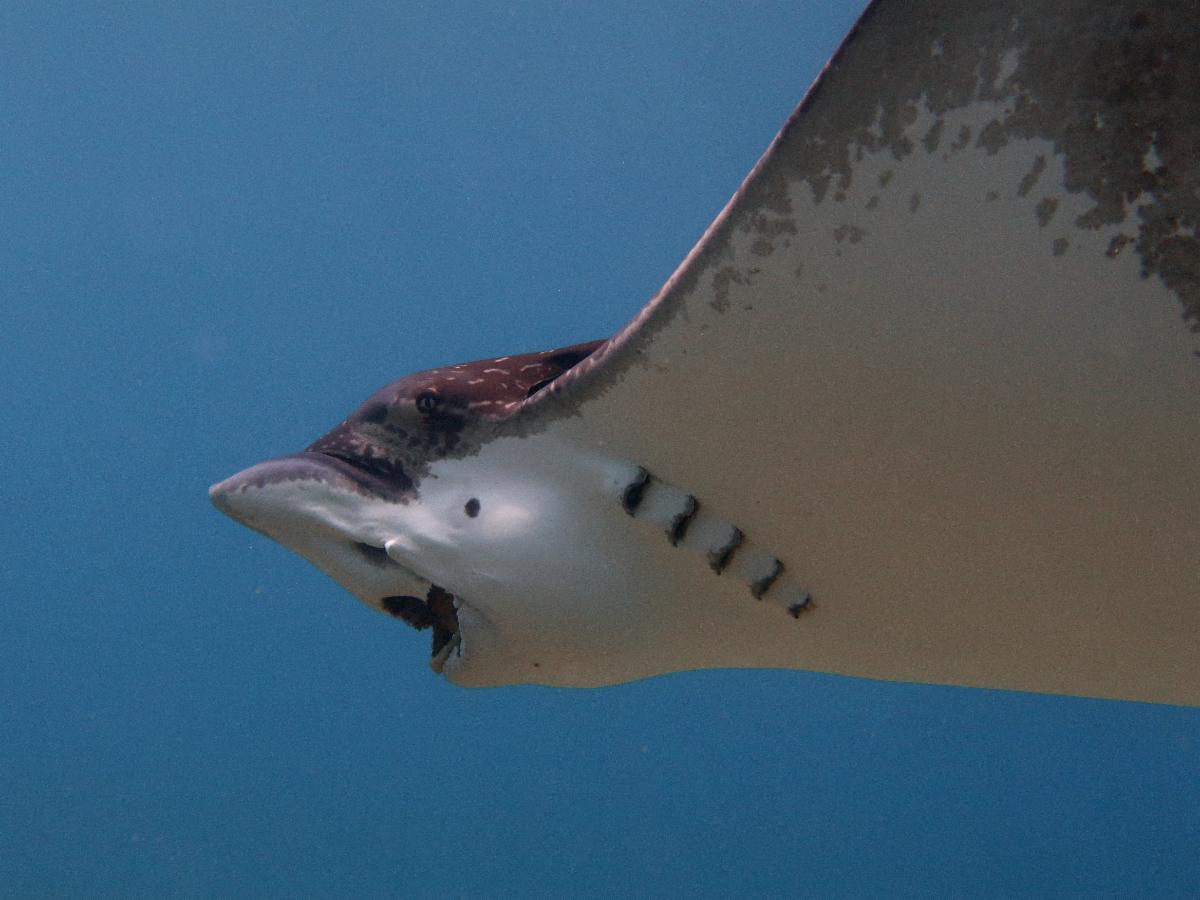
Predator-prey interactions between shell-crushing marine predators (such as whitespotted eagle rays) and hard-shelled mollusks (clams, oysters, snails, etc.) play an important role in shaping coastal ecosystems. But these interactions are difficult to study in the wild, because feeding events occur underwater where direct observation is limited.
A new AI-powered tool developed by Florida Atlantic University researchers is harnessing the distinctive crunching sounds produced during feeding to monitor predator behavior and measure predation pressure on shellfish populations like never before.
Read more. |
|
|
|
Tracking Whitespotted Eagle Rays
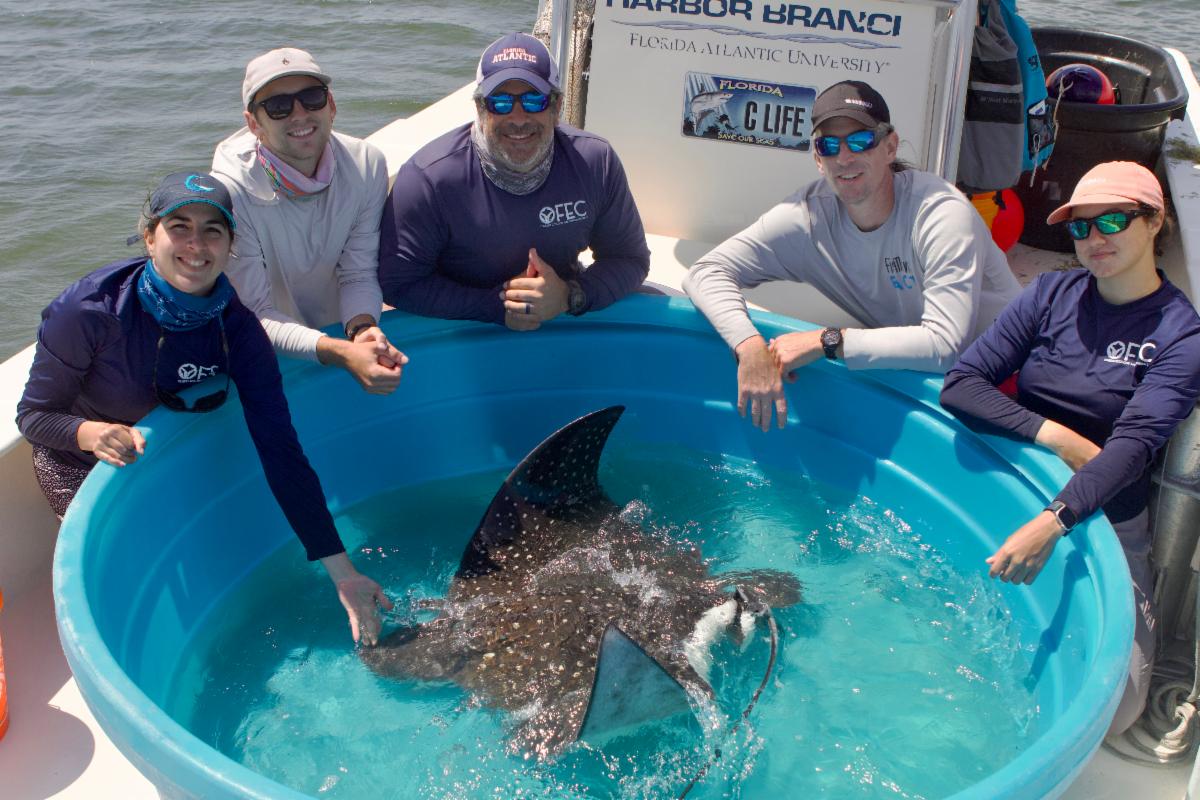
Join FAU researchers as they track endangered whitespotted eagle rays in Florida’s Indian River Lagoon using advanced BioTrack acoustic and video tags.
Read more.
Photo credit: Zoraida Díaz |
|
|
|
New Milestone: First Queen Conch Hatch on Eleuthera
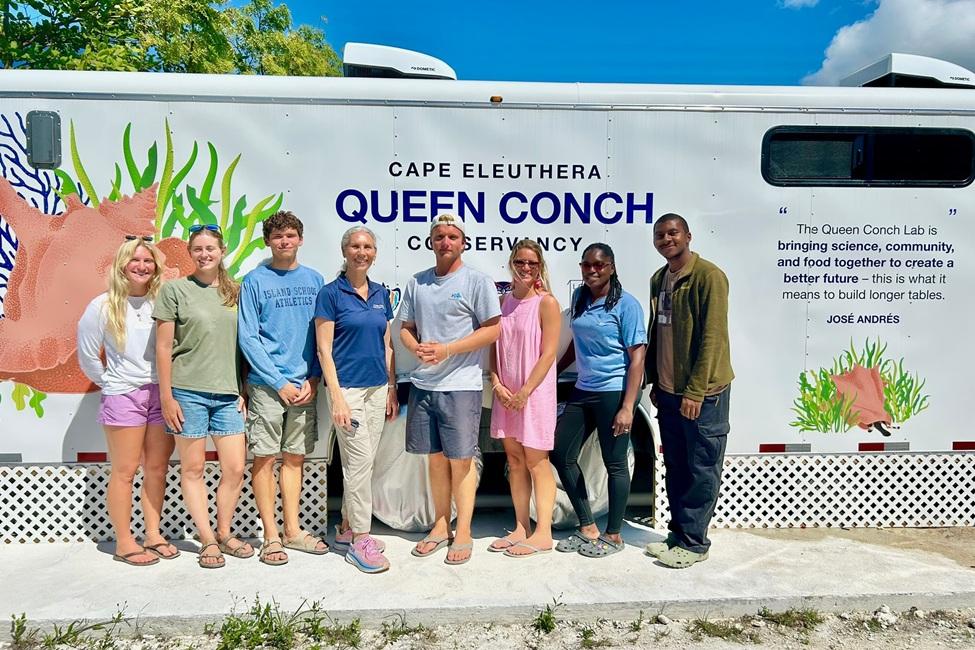
This month marked a major milestone for queen conch conservation in The Bahamas. The Queen Conch Mobile Lab at the Cape Eleuthera Queen Conch Conservancy is fully operational following the arrival of the first egg masses and the first hatch in the new system.
A partnership between FAU Harbor Branch Oceanographic Institute's Queen Conch Lab and The Island School's Cape Eleuthera Institute (and supported by Chef José Andrés' Longer Tables Fund) the mobile lab is at the center of a community-based initiative to help restore this critically significant species.
Read more. |
|
Uncharted Waters
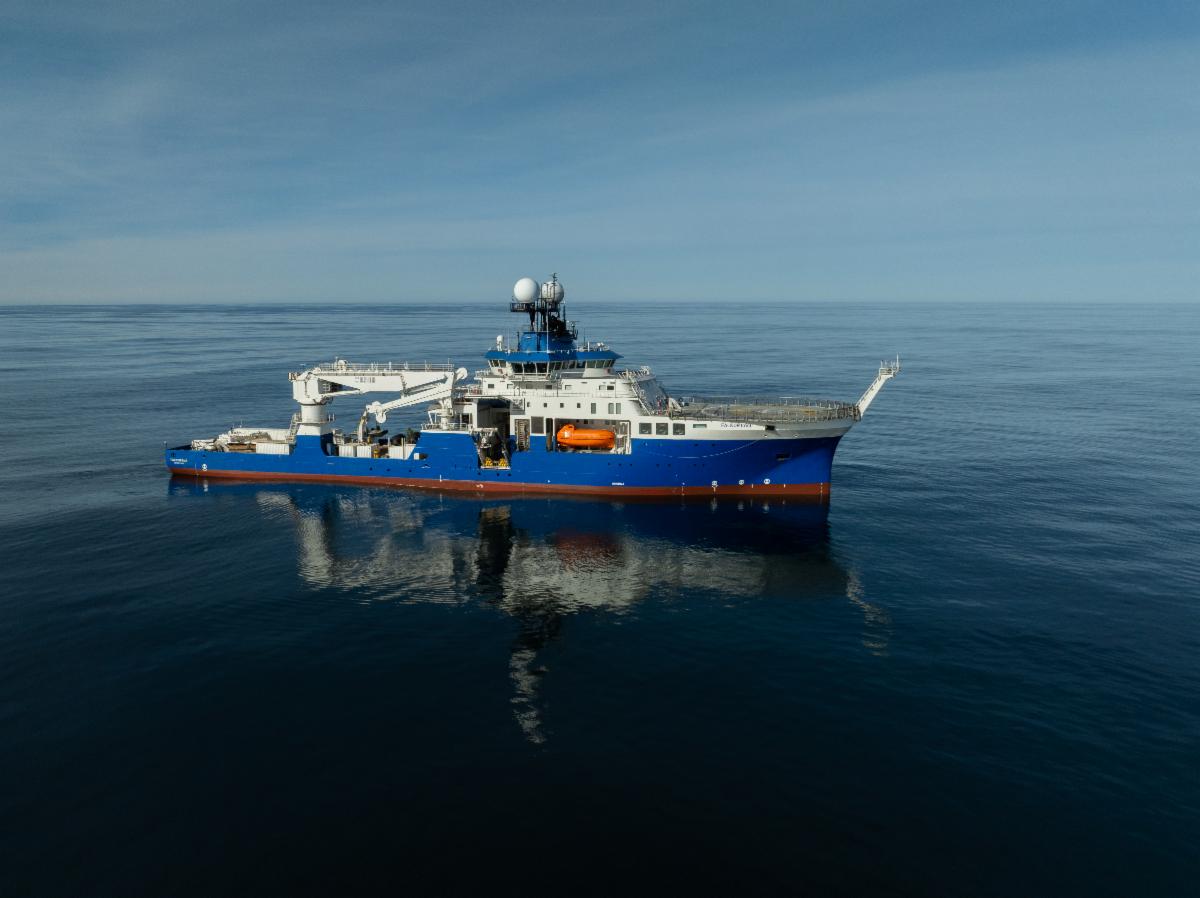
FAU Harbor Branch is set to join a landmark, multinational and multidisciplinary research expedition aboard Schmidt Ocean Institute’s renowned Research Vessel (R/V) Falkor (too) to conduct a baseline study of mesophotic and deep-sea ecosystems to inform future ocean stewardship in the region and beyond. Megan Conkling, Ph.D., a research scientist at FAU Harbor Branch, has been named a co-principal investigator on the project. Her research will focus on discovery and preservation of biodiversity, specifically preservation of living tissues of deep-sea benthic organisms, utilizing a first-in-class cryopreservation medium.
Read more.
Photo credit: Schmidt Ocean Institute |
|
Explore Alongside the Scientists
Schmidt Ocean Institute will livestream all autonomous and remotely operated vehicle dives on YouTube and Twitch. The public is also invited to follow expedition updates on WhatsApp. |
|
|
|
Fin of the Month: PDTA
Did you know that multiple species of dolphins call Florida's coastal waters home? The FAU Marine Mammal Stranding and Population Assessment team (MMSPA) conducts photo-identification research on both the inshore bottlenose dolphins of the Indian River Lagoon and the offshore species of the Atlantic Ocean.
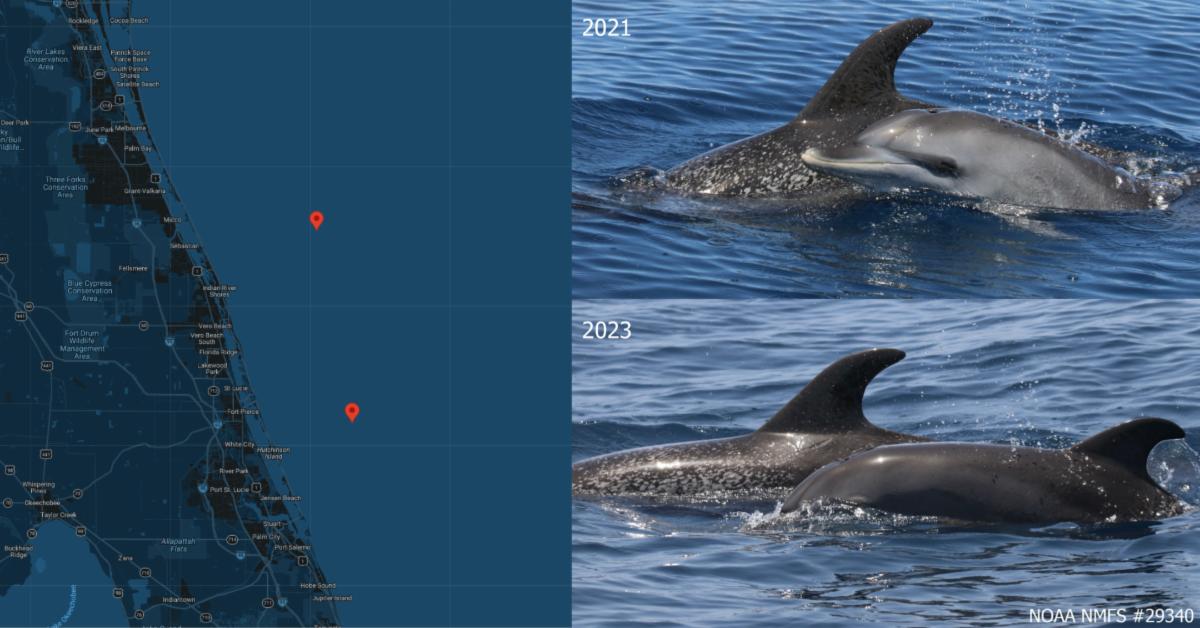
Meet Perdita (PDTA), an Atlantic spotted dolphin (Stenella frontalis) sighted twice by the MMSPA team: once in 2021, approximately 20 miles off Sebastian Inlet, and again in 2023, roughly 15 miles off Hutchinson Island. Southeast Florida's continental shelf drops off steeply, meaning the deep waters that Atlantic spotted dolphins prefer aren’t too far from local beaches.
PDTA was first sighted with her calf, c1PDTA (top right). When the team encountered her again in 2023, not only was c1PDTA still by her side — a brand-new calf (c2PDTA, bottom right) had joined the family. Atlantic spotted dolphins are born spotless, gradually developing their characteristic markings as they age. The MMSPA team looks forward to resighting the PDTA lineage someday – perhaps with a few more spots to show for it.
While inshore bottlenose dolphin populations are relatively well-documented, significant gaps remain in our understanding of marine mammal communities just beyond the coastline. By venturing offshore and collaborating with research partners, FAU's marine mammal research program aims to help fill those gaps — contributing data on species diversity, abundance, distribution and habitat use of cetaceans in Florida's coastal waters.
If you see a marine mammal while out on the water, remember to stay 50 yards away. If you see a marine mammal in distress, call the FWC hotline (888) 404-3922.
All work conducted under NOAA NMFS permit #29340. |
|
International Ocean Film Festival: Florida Tour
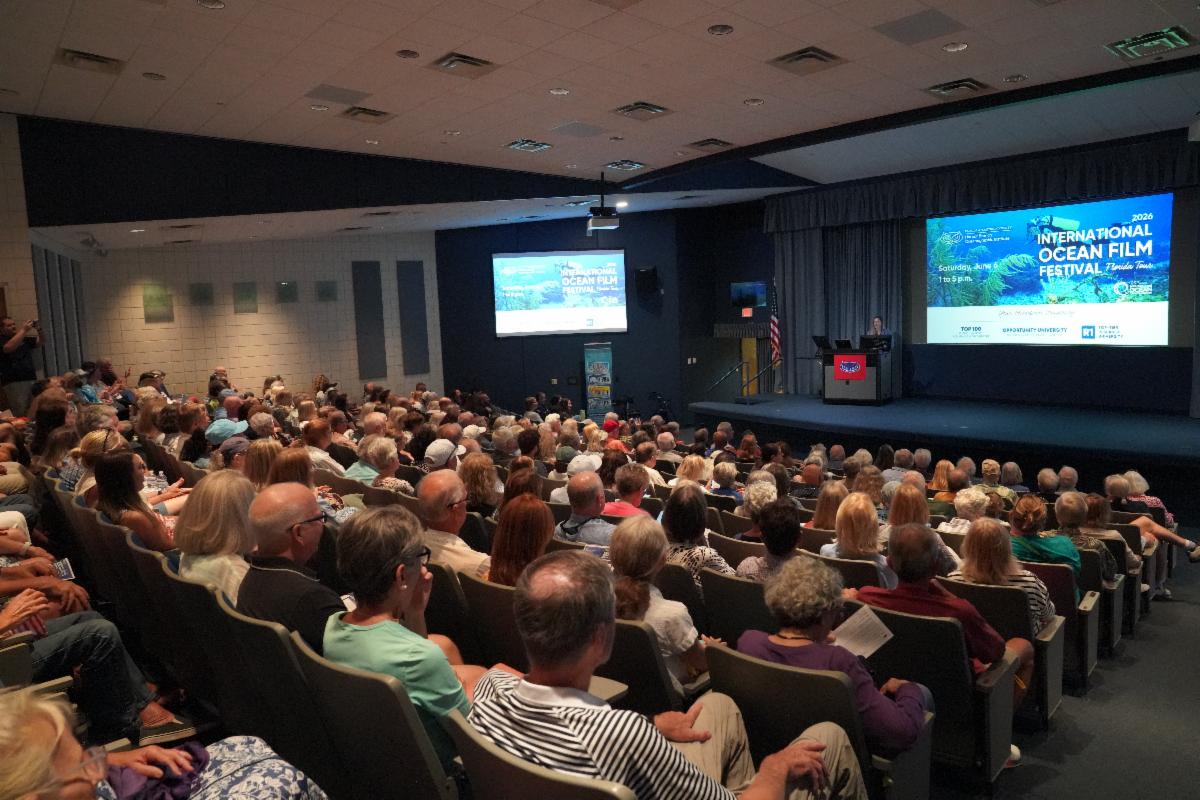
FAU Harbor Branch hosted a sell-out crowd for the 2026 International Ocean Film Festival: Florida Tour on June 6. The event, now in its fourth year, is a growing World Ocean Day tradition on the Treasure Coast. Guests enjoyed an afternoon of ocean-inspired independent films, interactive exhibits showcasing FAU Harbor Branch research, and one-on-one interactions with scientists and students.
Read more.
View photos. |
|
Jenna Nall
Mentor: Fernando Paredes, Ph.D., Animal Nutrition Laboratory
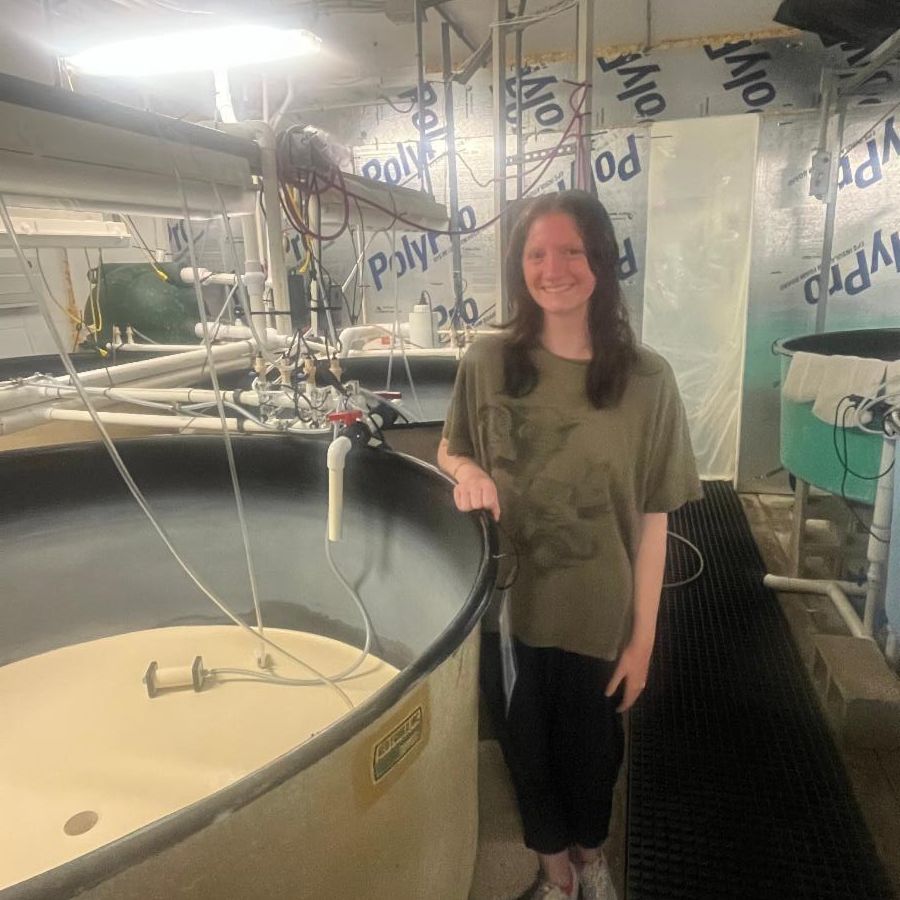
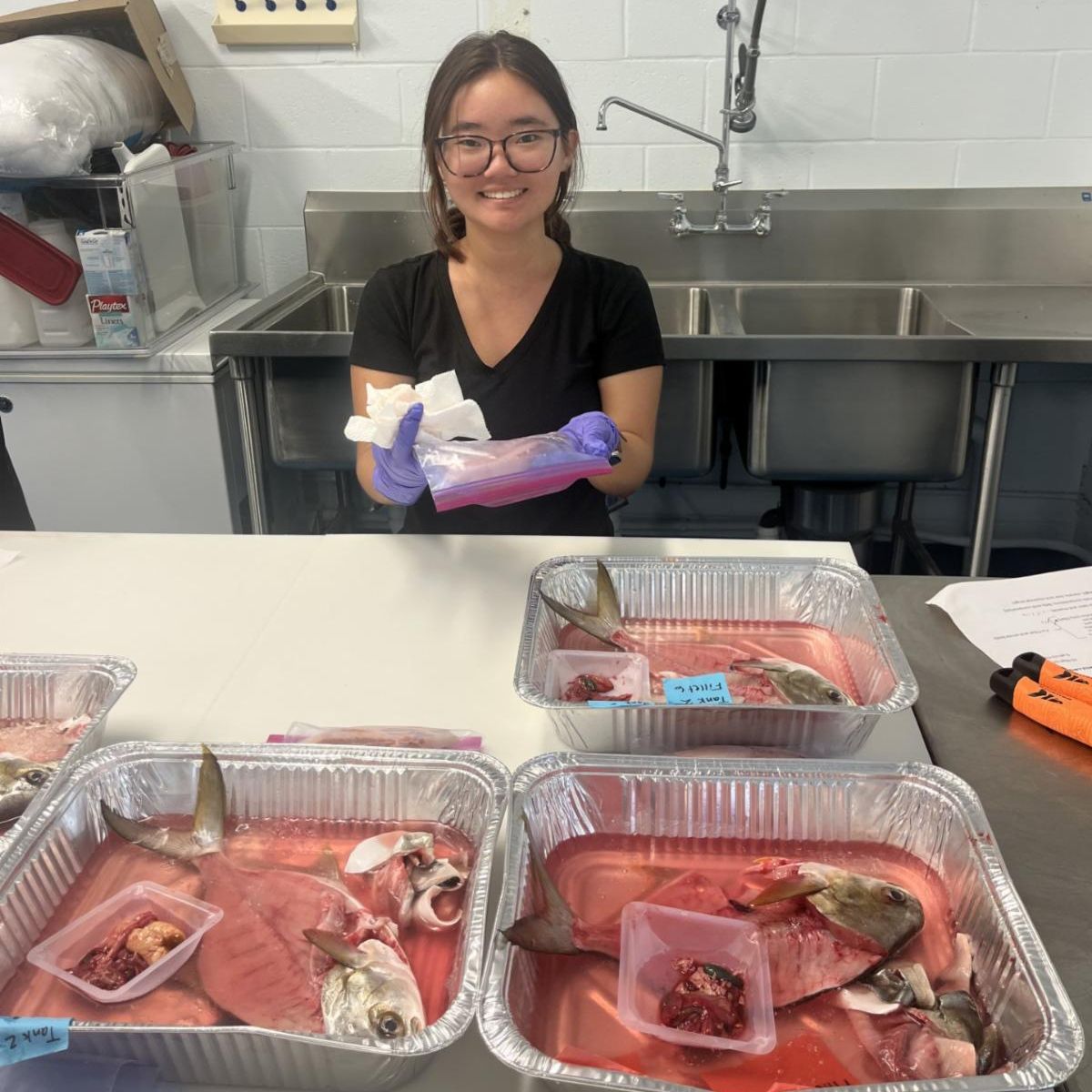
Nall's project focuses on the gastrointestinal tract development and diet composition of larval Florida pompano from 0 to 25 days post-hatch. Nall has gained hands-on experience in histology, including microtome sectioning and identifying digestive structures on microscope slides. She also participated in diet composition analyses, evaluating crude fat, crude protein, and moisture content in fish diets. In addition, she assisted with tissue sampling, where brain, pituitary gland, liver and muscle tissues were collected from Florida pompano for research studies. Nall has learned a variety of laboratory techniques related to fish nutrition, gastrointestinal development and scientific imaging, while gaining valuable experience in preparing research-quality figures and data for scientific projects. |
|
Ada Arwood
Mentor: Fernando Paredes, Ph.D., Animal Nutrition Laboratory
Arwood's project focuses on the development of an Ultra-High Performance Liquid Chromatography (UHPLC) method for the detection of carotenoids. The carotenoids are natural pigments added to farmed fish diets as they don’t receive the same pigments from the pellet food they do from the diets in the wild. The end goal of the project is to improve skin coloration and fillet quality of farm-raised pompano by providing finishing diets with carotenoids. Arwood has been able to apply her background in analytical chemistry to extract pigments from the Florida pompano skin and fillets raised at FAU Harbor Branch to find the optimal extraction and separation procedure. |
|
Seaweed Sleuth
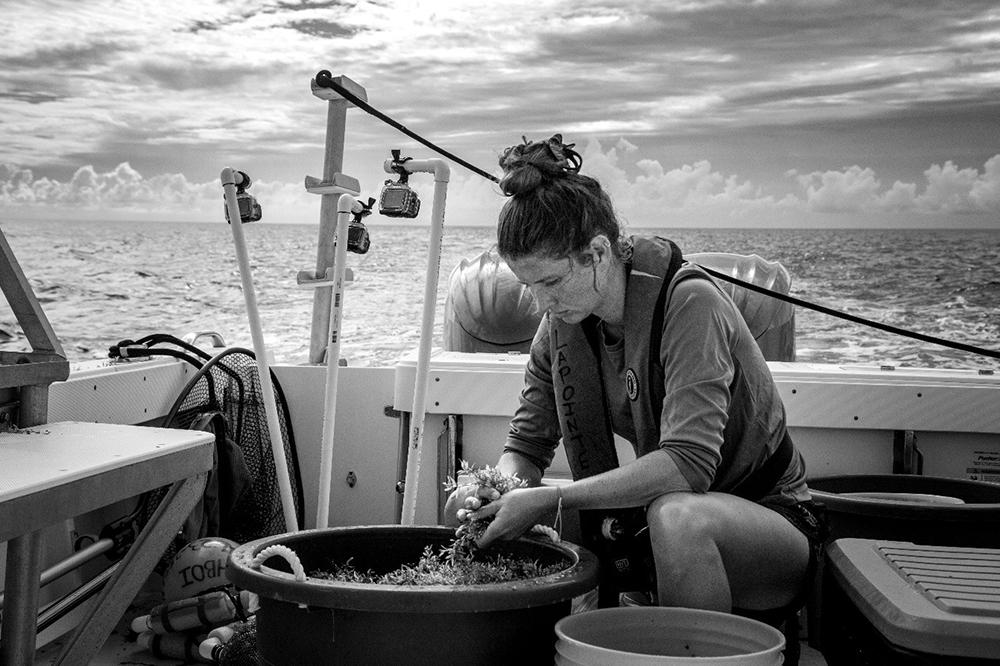
For most South Florida beachgoers and coastal business owners, the massive blankets of sargassum seaweed washing ashore this summer are an unwelcome, foul-smelling crisis. But for geosciences Ph.D. student Ellyn Willse, the floating brown algae is a goldmine of ecological data. While the public views sargassum as a shoreline nuisance, Willse sees it as a vital, drifting ecosystem—one that holds the key to protecting endangered wildlife, safeguarding our seafood supply, and providing critical data points to inform public health decisions.
Read more. |
|
ECOS Graduate Student Research Award
Award Amount: Up to $2,000
Deadline: July 1
Learn more and apply.
This award supports thesis and dissertation research for M.S. and Ph.D. students affiliated with the School of Environmental, Coastal, and Ocean Sustainability (ECOS) in the Charles E. Schmidt College of Science. Eligible expenses include field and lab supplies, sample collection and analysis, equipment rental, research travel, and data acquisition.
ECOS Graduate Student Conference Travel Award
Award Amount: Up to $1,000
Deadlines: Rolling basis (apply at least 45 days before your conference)
Learn more and apply.
This award helps cover the costs of presenting at scientific conferences — registration, airfare, lodging and more. M.S. students are eligible for one award; Ph.D. students may apply for up to two over the course of their degree.
ECOS Publication Grant
Award Amount: Up to $1,000
Deadline: Rolling basis
Learn more and apply.
This grant offsets open-access article processing charges for peer-reviewed manuscripts where the FAU student is the first or corresponding author and list ECOS as part of the student's author affiliation. Current graduate students, postdoctoral researchers and recent graduates (within two years of completing their degree) are all eligible. Notably, if two ECOS-affiliated authors both qualify as first or senior authors on the same publication, each may receive an award — up to $2,000 combined per publication.
Full program guidelines and application requirements are posted on the ECOS website at fau.edu/ecos under the Research Funding Opportunities tab. To apply, send applications to ecos@fau.edu. |
|
Partnership Recognized by Boys & Girls Clubs of St. Lucie County
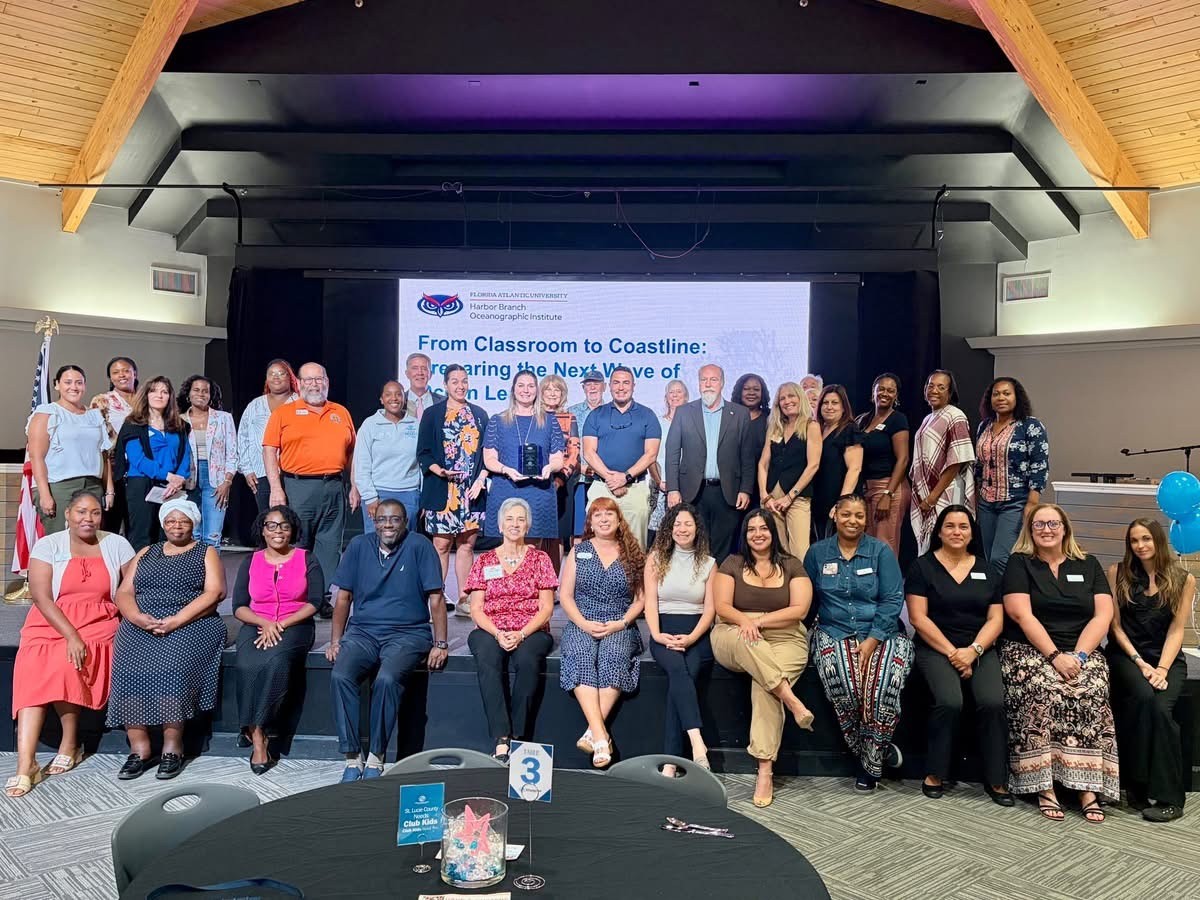
Gabby McHenry, Ph.D., director of Education and Outreach at FAU Harbor Branch, recently presented at the Boys & Girls Clubs of St. Lucie County's Community Power Luncheon, where the institute was recognized for its long-standing partnership and outreach efforts throughout the region.
During the luncheon, McHenry was surprised with a commemorative plaque honoring more than 10 years of collaboration between FAU Harbor Branch and the Boys & Girls Clubs. The recognition also highlighted FAU's involvement in the organization’s recent Indian River Lagoon National Estuary Program grant project, which included a student-led documentary focused on a creek cleanup effort in central Fort Pierce led by FAU Harbor Branch staff. |
|
Marine Energy Survey
Did you know the Gulf Stream - one of the world's strongest currents - can flow up to 5.6 miles per hour and move nearly 4 billion cubic feet of water every second from Florida to Europe? At FAU's Southeast National Marine Renewable Energy Center, researchers are harnessing this powerful force of nature into energy solutions for Florida's coastal communities.
Help shape the future of marine energy in Florida by taking a quick, 10-question survey. |
|
|
Subscribe to Ocean Currents
Florida Atlantic Harbor Branch Oceanographic Institute |
|
|
|